

Moraga, California: Moving Guide for New Residents
 Written by Aaron Steed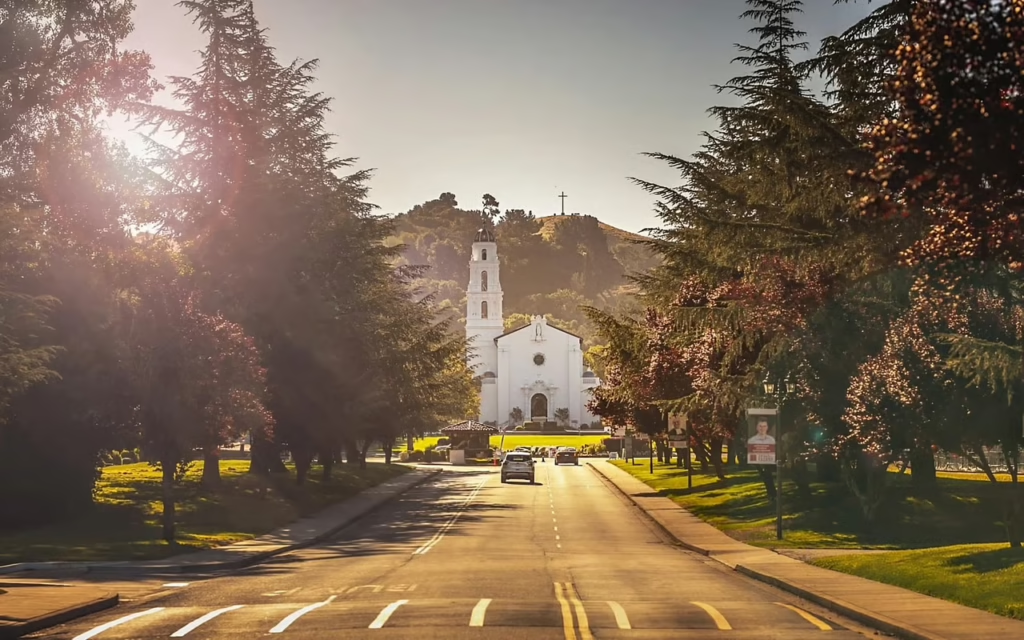
Moraga, California is a town in Contra Costa County in the Lamorinda area of the East Bay, near Lafayette and Orinda in the San Francisco Bay Area. Known for its suburban character, open space, and strong schools, Moraga, CA attracts residents looking for a quieter alternative to denser Bay Area cities.
This guide covers what you need to know about Moraga, including cost of living, housing, weather, schools, things to do, and practical considerations if you’re planning a move.
Quick Facts: Moraga at a Glance
Moraga is located in Contra Costa County in Northern California, within the East Bay region of the San Francisco Bay Area.
- County: Contra Costa County
- Region: Lamorinda area, East Bay
- Zip code: 94556
- Total population: Over 16,600 residents (U.S. Census Bureau data)
- Setting: Suburban community surrounded by rolling hills and open space
Moraga sits roughly 20 miles from San Francisco and near Walnut Creek and Oakland, offering access to major Bay Area job centers while maintaining a smaller-town environment.
Everything You Need To Know About Moraga, California
Moraga is a suburban community known for a quiet residential lifestyle, access to open space, and a strong school reputation.
Many Moraga residents are families and professionals drawn to the area for its schools and proximity to the San Francisco Bay. The average household size is larger than in many urban Bay Area cities, and the median age reflects a mix of families and established residents across multiple age group categories.
The town takes its name from Joaquin Moraga, a Californio rancher and military figure. Historic sites like the Moraga Adobe reflect that early history and remain part of the community’s identity.
Where Is Moraga, California?
Moraga is located in Contra Costa County in the Lamorinda area of the East Bay, between Oakland and Walnut Creek.
The town covers just under 10 square miles and is largely residential, with neighborhoods built into hillsides and valleys. While Moraga feels tucked away, it remains connected to the broader San Francisco Bay Area via regional highways and BART stations in nearby cities.
Because of its setting, many residents commute to San Francisco, Oakland, or other parts of the Bay Area.
Cost of Living in Moraga
Moraga is generally considered a higher-cost community within Contra Costa County, with housing as the primary driver of overall expenses.
Median household income in Moraga is higher than the national average, according to Census Bureau data. Housing costs and home valuation trends reflect the town’s limited inventory and demand within the Lamorinda area.
Other living costs — such as utilities, transportation, and groceries — tend to align with broader San Francisco Bay Area patterns. Many residents rely on personal vehicles for commuting, which can affect overall budgeting.
Housing and Real Estate in Moraga
Housing in Moraga is predominantly single-family homes, with fewer multi-family builds.
Real estate in Moraga often includes established neighborhoods with larger lots, hillside properties, and proximity to schools or open space. Some condos and townhomes are available, though single-family homes dominate the market.
Because of terrain and residential street layouts, home access can sometimes include steep driveways or narrower roads — something to keep in mind when planning a relocation.
Weather and Climate in Moraga
Moraga has a mild Bay Area climate, with warm, dry summers and cooler, wetter winters.
Summer temperatures average between 53°F and 80°F, while winter months bring seasonal rainfall and cooler evenings. Like much of Northern California, Moraga experiences a Mediterranean-like climate.
The town’s setting away from the immediate San Francisco Bay shoreline can mean warmer summer afternoons compared to coastal cities.
Things To Do in Moraga
Moraga is best known for parks, outdoor access, and community-focused recreation.
Popular options include:
- Moraga Commons Park for sports fields and community events
- Local trails and open space areas throughout Contra Costa
- Community recreation programs and seasonal activities
- The historic Rheem Theatre, a local cultural landmark
- Events and games at Saint Mary’s College, a member of the West Coast Conference
- Exhibits at the Hearst Art Gallery on campus
Schools and Education in Moraga
Moraga is widely associated with strong local schools and Saint Mary’s College of California.
The Moraga School District serves elementary and middle schools, including Joaquin Moraga Intermediate School. High school students typically attend Campolindo High School, which is part of the Acalanes Union High School District.
Is Moraga a Good Place To Live?
For many people, Moraga is a good place to live if they’re looking for a quiet suburban environment within the San Francisco Bay Area.
Pros:
- Suburban feel with access to open space
- Recognized schools and Saint Mary’s College
- Proximity to Walnut Creek and other East Bay hubs
- Community-oriented programs and events
Considerations:
- Higher housing costs
- Car dependency for commuting
- Limited rental inventory compared to larger cities
Moraga residents often value the balance between Bay Area access and a lower-density setting.
Moving to Moraga, California
Moving to Moraga goes more smoothly when you plan around home access, packing needs, and realistic scheduling.
Hillside properties, narrow residential streets, and limited parking can require coordination. If you’re relocating within Contra Costa or from elsewhere in the San Francisco Bay Area, planning ahead matters.
If you’re preparing for a move, review practical steps in our moving tips and packing tips, or build a timeline with a detailed moving game plan.
For those relocating in or near Moraga, working with a team familiar with East Bay logistics can reduce moving-day friction. Explore our Moraga moving services, or learn more about what to expect and see reviews from local customers on our ratings and reviews page.
Topics:

Copyright © 2026 Meathead Movers
CAL T-189849 | USDOT #921143 | MC-398077