
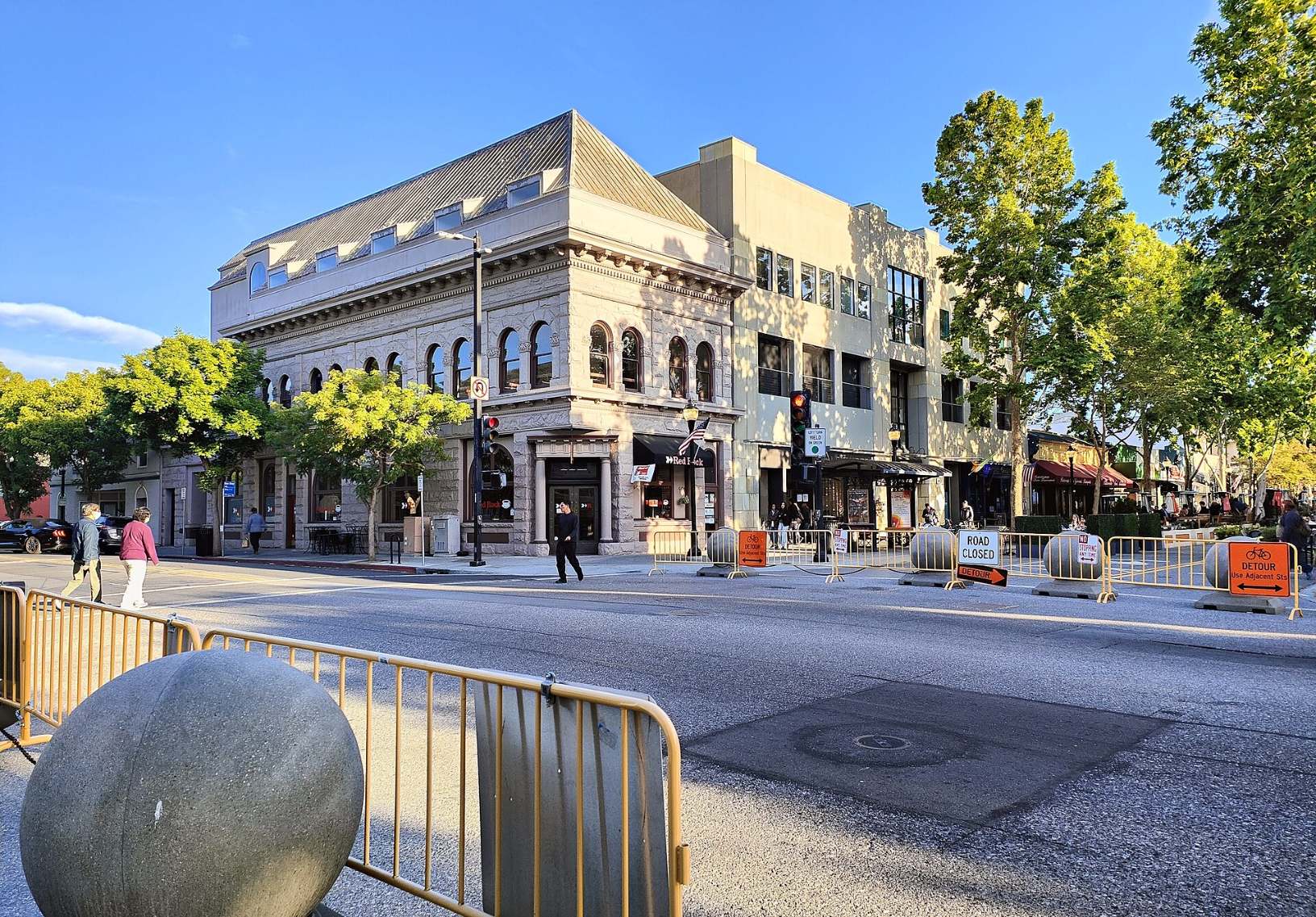
Historic South Central Movers, From Trade-Tech to Vernon Avenue
Westlake Village Branch
30721 Russell Ranch Rd, Suite 140
Westlake Village, CA 91362
Call
Hours
Mon–Fri: 8 AM–8 PM
Sat–Sun: 8 AM–6 PM
Meathead Movers handles local moves across Historic South Central, from the apartments near Los Angeles Trade-Technical College on Washington Boulevard to the older houses and duplexes on the side streets off Central Avenue. Historic South Central is a neighborhood inside the City of Los Angeles, packed into about 2.5 square miles between the Harbor Freeway and Central Avenue, just south of Downtown. The LA Times Mapping L.A. project counts it among the most densely populated neighborhoods in the city. More than 4 in 10 homes were built before 1940, about 8 in 10 households rent, and City rules keep big trucks off residential blocks except while they’re loading. Our Athlete Movers serve Historic South Central from our Westlake Village branch.
Historic South Central Moves at a Glance
- Service area: Mostly ZIP code 90011, with edge blocks in 90007, 90015, 90021, and 90037, plus Downtown LA, University Park, Exposition Park, and South Gate
- Typical move: A one- or two-bedroom apartment or an older house for a household of about 3.8 people
- Older homes: About 42% of homes were built before 1940
- Truck access: Under City of LA rules, trucks over 22 feet can stay on a residential block only while loading or unloading
- Busiest stretch: The last and first days of every month, plus June through early August
- Event to watch: The Central Avenue Jazz Festival on a Saturday in September
- Lead time: 1 to 2 weeks for a midmonth apartment move, and 3 to 4 weeks for month-end and summer weekends
- Pricing: Hourly under California’s MAX 4 tariff, beginning with a free quote
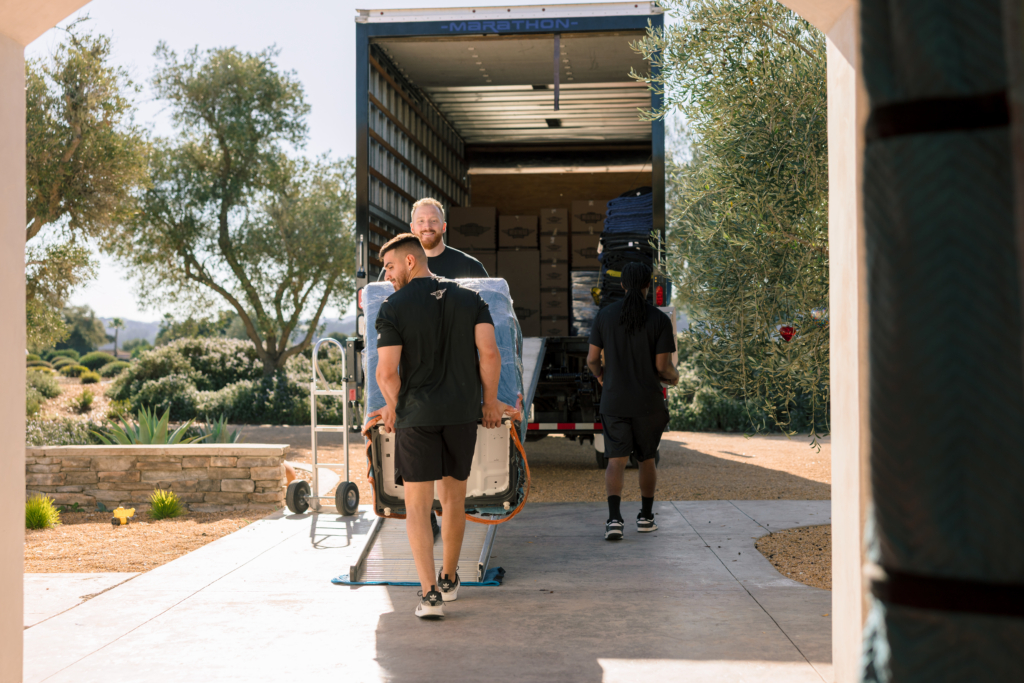
The Meathead Difference
Why Choose Meathead Movers Historic South Central
Team Meathead is made up of athletes driven by hustle, heart, and integrity. Our Historic South Central team has been proudly serving Historic South Central from day one, providing best-in-class moving, packing, and storage services for local families and businesses. Every job is powered by good energy — from transparent pricing to real-time communication and our white-glove standard of care — because this community isn’t just where we work, it’s home.
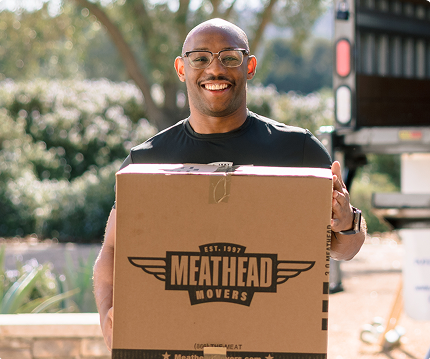
Honest athletes
Professional, background-checked, and trained with heart, so you can trust who is in your home, handling your belongings.
More hustle, less hassle
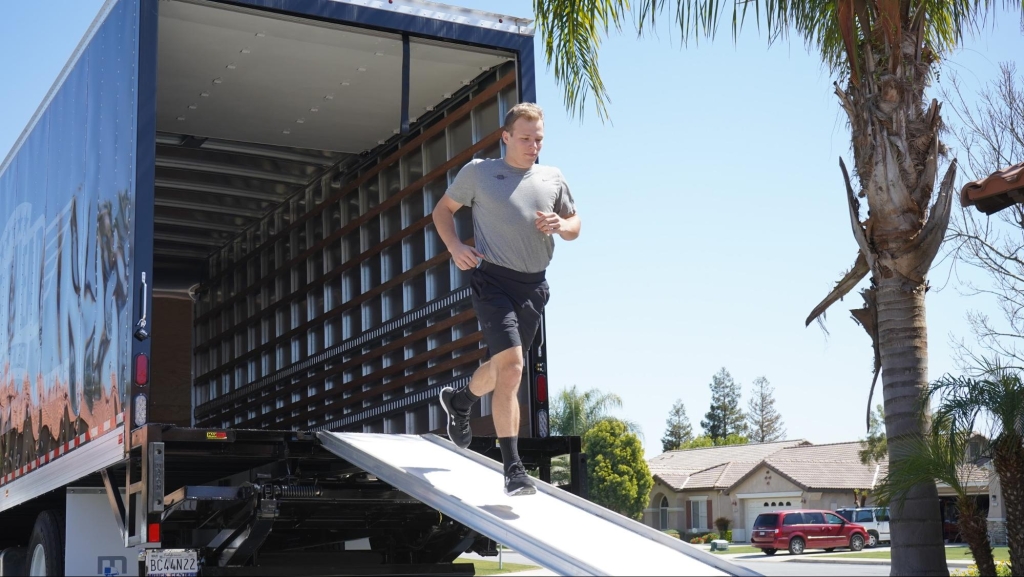
We move fast, smart, and jog when our hands aren’t full—often finishing sooner and costing less than slower crews.
Tech-forward moves
We use advanced tools to keep your move efficient and transparent, letting you track your moving truck and belongings throughout the entire process.
Performance that pays off
Our movers are rated on every job and earn bonuses for exceptional service and not damaging your items. That means you get a highly motivated team of focused and incentivized athletes working to make your move as easy as possible.
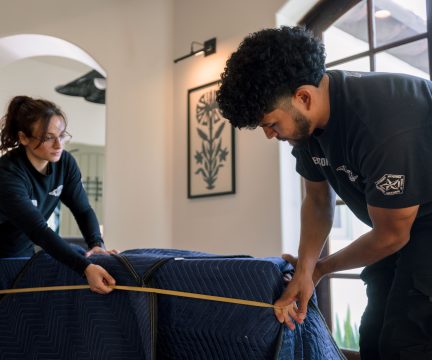

Community champions
We’re not just in the community; we’re part of it. We show up for local causes, support our neighbors, and move victims of domestic violence to safety at no cost. We’re there when it matters most.
Greatness guaranteed
If something falls short, we make it right with our fair refund assurance program. No runaround, just accountability.
Why Do Historic South Central Residents Choose Meathead Movers?
Meathead Movers started in 1997 as a small California company and has grown into the largest independent moving company in California. Our Westlake Village branch serves Historic South Central and the rest of South and Central Los Angeles, and our crews know the crowded curbs, walk-up buildings, and City parking rules that shape moves here. Every Historic South Central move comes with:
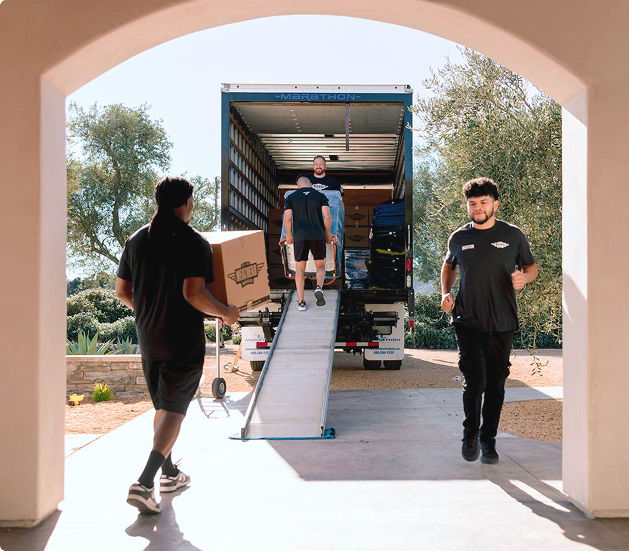
- Athlete Movers: Background-checked, drug-tested, and professionally trained crews who jog between loads
- The same crew all day: The team that loads your home unloads it at the new one
- Clear estimates: Upfront pricing with no hidden fees
- Fair Refund Assurance: Every move is backed by our Fair Refund Assurance.
- 29,000+ reviews: More than 29,000 customer reviews across our California locations
- A+ BBB rating: An A+ rating from the Better Business Bureau
- Fully licensed: CAL T-189849, USDOT #921143, and MC-398077
- Payment plans: Affirm financing for qualifying customers
Historic South Central Leadership
Local Team Snapshot
Meet the management team leading your Historic South Central move.
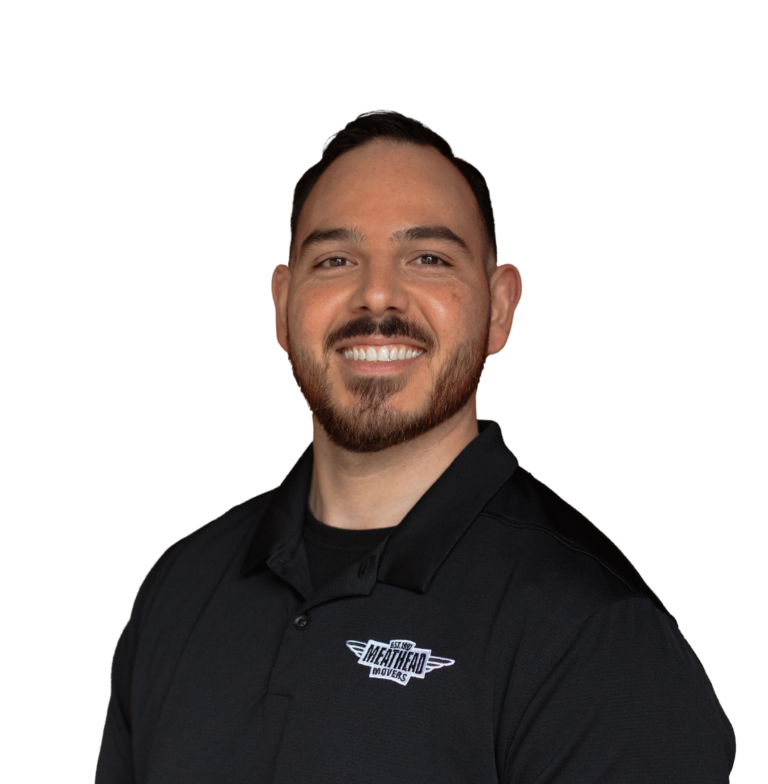
Fernando Gonzalez
Ventura County Operations Manager
Fernando came to Meathead Movers to work hard, and his goal was to move up within the organization and eventually become an Operations Manager. In his free…

Aaron Stanton
Ventura County General Manager
Aaron Stanton is the Territory Sales Manager for Ventura County. Originally from Moorpark, California, Aaron has an impressive background in sports and…
Services in Historic South Central
Which Historic South Central Neighborhoods Do We Serve?
We serve every block of Historic South Central. It isn’t a separate city, so City of Los Angeles rules apply here, including the Los Angeles Municipal Code (LAMC), LADOT parking rules, and LAUSD schools. We use the LA Times Mapping L.A. boundaries, which put the neighborhood between the Harbor Freeway (I-110) on the west, Washington Boulevard on the north, Central Avenue on the east, and Vernon Avenue on the south. Downtown sits just north, University Park and Exposition Park are across the 110, and Central-Alameda is on the other side of Central Avenue.
Which ZIP Codes Cover Historic South Central?
ZIP code lines don’t follow the neighborhood boundary exactly. These are the ZIP codes our crews cover in Historic South Central:
- 90011: Most of the neighborhood, from Washington Boulevard south to Vernon Avenue
- 90007: Blocks closest to the Harbor Freeway on the west side
- 90015 and 90021: Blocks along Washington Boulevard on the north edge
- 90037: A small area in the southwest corner near Vernon Avenue
Because the lines are uneven, we book every move at your street address.
Which Parts of Historic South Central Do Our Crews Know Best?
Locals tend to describe where they live by the nearest big street. Our crews regularly work in these Historic South Central areas:
- Washington Boulevard and Trade-Tech: Apartments and storefronts along the north edge, around Los Angeles Trade-Technical College
- Freeway side: Blocks between Figueroa Street and Main Street, near the 110 and across from USC
- Central Avenue corridor: Shops, churches, and apartments along the neighborhood’s east edge
- Adams and Jefferson Boulevards: Older houses, duplexes, and small apartment buildings on the middle blocks
- Vernon Avenue side: Homes and apartments near Martin Luther King Jr. Boulevard and Vernon Avenue
Do You Move Into Apartment and Condo Buildings in Historic South Central?
Yes, every week. About 81% of households here rent, and nearly half of homes are in buildings with three or more units. Most are small walk-ups and courtyard buildings, but about 7% of homes are in buildings with 50 or more units. For managed buildings, we send crew names and truck size ahead of time and confirm move hours, elevator bookings, and insurance requirements when we book.
What Areas Near Historic South Central Do We Serve?
Many moves from here end only a few miles away. Our crews also cover these nearby areas:
- North and west: Downtown LA, South Park, Pico-Union, University Park, and Exposition Park
- South and east: Vermont Square, Central-Alameda, Vernon, and Huntington Park
- Southeast cities: South Gate, Cudahy, and East Los Angeles
Which Meathead Movers Pages Cover Areas Near Historic South Central?
Moving between Historic South Central and a nearby city? These Meathead Movers pages cover the areas around Historic South Central:
What Should You Know About Historic South Central Roads and Parking?
Historic South Central is close to everything, but its curbs are full. Two freeways meet at its northwest corner, the blocks are dense, and cars line both sides of most residential streets. City of LA rules also limit where and how long a moving truck can sit. Local moves bill by the hour, so we plan the truck spot and the route before moving day.
Which Roads Do Our Drivers Use Most?
Freeways bracket the neighborhood, and a grid of surface streets fills the middle. These are the Historic South Central roads our drivers rely on most:
- I-110 (Harbor Freeway): The west edge, with ramps along the way between Downtown and South LA
- I-10 (Santa Monica Freeway): Just past the northwest corner
- North-south streets: Figueroa Street, Grand Avenue, Broadway, Main Street, San Pedro Street, and Central Avenue
- East-west streets: Washington Boulevard, Adams Boulevard, Jefferson Boulevard, Martin Luther King Jr. Boulevard, and Vernon Avenue
Workers here average a 33.4-minute commute (ACS 2020-2024, census tracts within the Mapping L.A. boundary), and about 16% take transit. The 110 and 10 back up at rush hour, so we schedule drive legs for midday when your timing allows.
Can a Moving Truck Park on a Historic South Central Street?
Yes, while it’s loading or unloading. LAMC Section 80.69.2 makes it unlawful for a business to park a commercial vehicle, or any vehicle longer than 22 feet, on a block where most of the buildings are homes. It also limits commercial vehicles to three hours on other streets. Both rules make an exception for a vehicle that’s loading or unloading property, for the time the job reasonably needs. On blocks where LADOT has posted signs, the fines start at $500. These are the City of LA parking rules we plan around:
- No staging: We don’t leave a truck on your block before moving day, so the crew arrives that morning.
- Oversize vehicles: On signed streets, vehicles over 22 feet long or over 84 inches tall can’t park from 2 to 6 a.m. (LAMC 80.69.4).
- Freeway underpasses: Commercial vehicles can’t park under a freeway or rail overpass within 150 feet where the nearby buildings are mostly homes (LAMC 80.69.3).
- Anti-gridlock lanes: On signed major streets, the curb lane is closed to stopping during weekday rush hours (LAMC 80.70).
- Alleys: Vehicles can stop in an alley only to load or unload (LAMC 80.61).
- 72-hour limit: No vehicle can stay on a City street for 72 hours or more (LAMC 80.73.2).
Can You Save a Parking Spot for the Moving Truck?
Not on your own. LAMC Section 80.73.3 says only the City can reserve a street or parking space, so cones, chairs, and homemade signs don’t hold a spot legally. If curb space on your block is tight, we’ll talk through options when you book, which may include a smaller truck, an early start, or an alley approach.
How Do Dense Blocks Change the Plan?
Blocks here are dense and households are large. About 18% of renter households have no car, but more than a third have two or more, so street parking fills overnight. These are the conditions we plan for:
- Long carries: When the truck can’t park in front, the crew walks farther with each load.
- Early starts: Curb space opens up in the morning as neighbors leave for work.
- Alley access: Some buildings load more easily from the alley, as long as the truck keeps moving after loading.
- Smaller trucks: A shorter truck fits gaps a 26-foot truck can’t.
What Kinds of Homes Do We Move in Historic South Central?
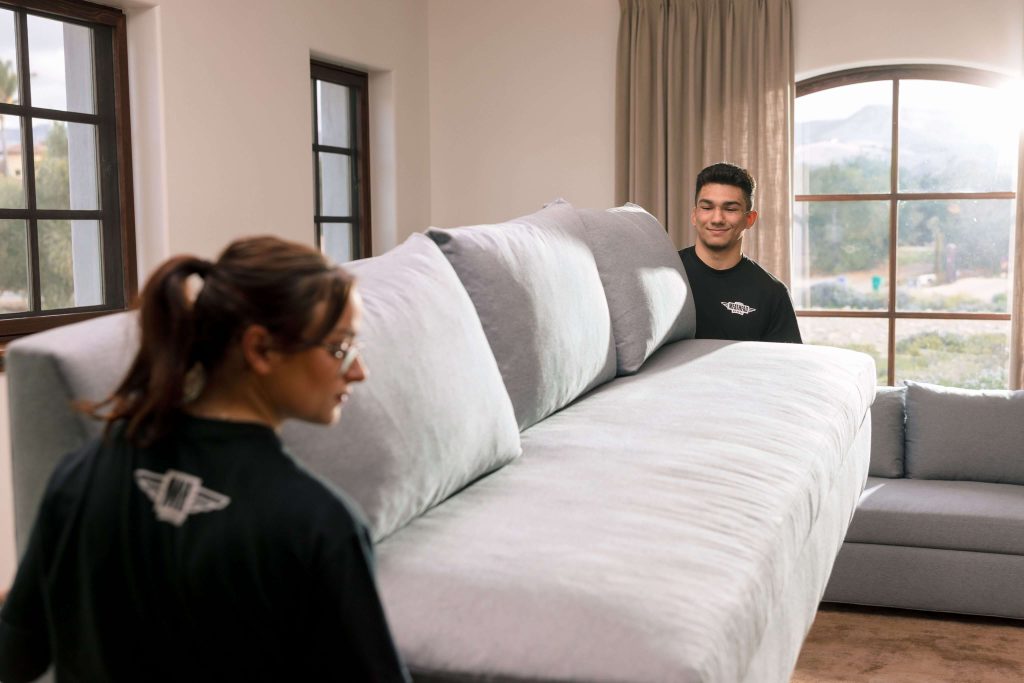
Historic South Central is one of the older parts of Los Angeles. In the census tracts that make up the neighborhood, about 42% of homes were built before 1940 and only about 5% since 2010. About 32% of homes are detached houses, 16% are attached homes, and roughly half are in buildings with two or more units. About 19% of households own and 81% rent, and households average 3.84 people (ACS 2020-2024).
What Should You Expect in an Older House or Duplex?
Pre-1940 houses and duplexes line many of the side streets between Figueroa Street and Central Avenue. These are the conditions we plan for in these homes:
- Raised porches: Front steps up to the door and sometimes a second set inside
- Narrow doorways and halls: Older framing that makes big sofas and dressers tricky
- Back units: Rear houses and garage units reached down a long side yard or driveway
- Shared lots: Two or more households on one property, each with its own move
What About Walk-Up and Courtyard Apartments?
Small apartment buildings are the most common place we move people here. About 27% of homes are in buildings with three to nine units, and studios and one-bedrooms make up about 39% of homes. In these buildings, we plan for:
- Stairs: Two- and three-story buildings, usually without elevators
- Exterior walkways: Courtyard and garden layouts with long walks to the street
- Tight corners: Narrow stairwells where mattresses and box springs need careful turns
- Manager rules: Move hours and deposits set by the owner or manager
What About Larger Apartment Buildings?
About 13% of homes are in buildings with 20 or more units. These buildings usually require:
- Elevator reservations: A booked time window, with pads installed before loading starts
- Certificate of insurance: A COI naming the building owner or management company
- Loading area rules: A set spot and time for the truck at the garage or curb
Which Items Do We Plan For Most in Historic South Central?
Households here average almost four people, so a one-bedroom often holds more than you’d expect. These items come up often in Historic South Central moves:
- Bunk beds, cribs, and extra mattresses
- Large sectionals and dining sets
- Extra refrigerators and freezers
- Washers and dryers in older houses
- Student desks and shelving near USC
For fragile or valuable pieces, ask about our Packing and Valuation options when you book.
Do We Handle Commercial Moves in Historic South Central?
Yes. Historic South Central’s business life runs along its main streets, with storefronts, clinics, churches, and small offices on Central Avenue, Washington Boulevard, Jefferson Boulevard, Broadway, Main Street, and San Pedro Street. The biggest institution in the neighborhood is Los Angeles Trade-Technical College, at 400 West Washington Boulevard.
Where Do Commercial Moves Happen Around Historic South Central?
Commercial moves here usually stay close. Our commercial crews work in these areas in and around the neighborhood:
- Washington Boulevard: Storefronts and offices along the north edge, near Trade-Tech
- Central Avenue: Shops, restaurants, and community organizations on the east edge
- Broadway, Main, and San Pedro Streets: Small retail and service businesses in the middle of the neighborhood
- Nearby districts: Downtown offices to the north and the USC area to the west
On nonresidential streets, commercial vehicles can park longer than three hours only while loading or unloading, and anti-gridlock curb lanes close at rush hour, so we often schedule storefront moves early, late, or on weekends. Public agency jobs for LACCD or LAUSD go through formal procurement.
How Do School Calendars Shape Historic South Central Moves?
Los Angeles Unified School District (LAUSD) serves Historic South Central, and its calendar sets the family moving window. LAUSD starts in mid-August and ends in early June, so the busiest family dates fall between early June and the second week of August. These are the LAUSD 2026-27 dates that shape Historic South Central moves:
- First day of school: Mid-August
- Fall recess: November 23 to 27, 2026
- Winter recess: December 21, 2026, to January 8, 2027
- Presidents Day: February 15, 2027
- Spring recess: March 22 to 26, 2027
- Last day of school: June 4, 2027
Do College Schedules Affect Historic South Central Moves?
Yes. Los Angeles Trade-Technical College sits on the neighborhood’s north edge, and USC is directly across the Harbor Freeway in University Park, so some of our moves here are for students. Student moves pick up when spring terms end and again in August before fall classes start. Most are studios, shared apartments, and small moves into storage.
When Is the Best Time to Move in Historic South Central?
The easiest dates are midweek and midmonth, outside summer. Historic South Central is covered by the National Weather Service Los Angeles/Oxnard office, which is the best source for heat and storm alerts in Los Angeles County.
When Is Moving Season Busiest in Historic South Central?
With most households renting, the calendar fills around leases. These are the Historic South Central dates that book out first:
- Month-end: The last and first days of every month, all year
- Summer: Early June through early August, between LAUSD’s June 4 last day and mid-August start
- Student weeks: Late spring and mid to late August around USC and Trade-Tech terms
- Jazz festival Saturday: A September Saturday when Central Avenue hosts the festival
How Far Ahead Should I Book a Historic South Central Move?
Book 1 to 2 weeks ahead for a midmonth apartment move. These lead times help with planning:
- Midmonth moves: 1 to 2 weeks
- Month-end moves: 3 to 4 weeks
- Summer weekends: 3 to 4 weeks
- Buildings with elevator bookings: 2 to 3 weeks, so the building can confirm your window
How Does Weather Affect a Historic South Central Move?
Summer and fall heat and winter rain both affect moves in older homes like these. These are the conditions we plan for:
- Summer and fall heat: We start early on hot days so the heaviest lifting is done before afternoon.
- Heat-sensitive items: Candles, electronics, and medications ride in your car or load last.
- Rainy season: Most rain falls from November through March, and wooden porch steps get slick, so we bring runners and extra floor protection.
Which Events and Access Rules Affect Historic South Central Moves?
Historic South Central’s busiest days come from its own main street and from the stadium across the freeway. We check City event notices before booking and plan around these events:
- Central Avenue Jazz Festival (September): Council District 9’s annual festival takes over Central Avenue on a Saturday each September. We avoid Central Avenue addresses that day.
- Coliseum and Exposition Park events: USC football and big events across the 110 bring heavy traffic to Figueroa Street, Jefferson Boulevard, Martin Luther King Jr. Boulevard, and the freeway ramps.
- Month-end weekends: Several moves on one block can compete for the same curb space.
What Access Rules Apply in Historic South Central?
A few City rules affect almost every move here. These are the access rules we plan around:
- Residential blocks: Trucks over 22 feet only while loading or unloading (LAMC 80.69.2)
- Overnight limits: No oversize vehicles from 2 to 6 a.m. on signed streets
- Rush-hour curb lanes: No stopping in signed anti-gridlock zones
- No saved spots: Only the City can reserve curb space
- Managed buildings: Elevator bookings, move hours, and COIs
- Road work: We check LADOT, StreetsLA, and Caltrans notices for the 110 and 10 before scheduling
How Much Does a Local Move in Historic South Central Cost?
Every Historic South Central local move starts with a free quote, and your total depends on crew size, time on the job, and the drive between homes. California’s billing rules for hourly moves apply to every Historic South Central job:
- MAX 4 tariff: Maximum Rate Tariff 4, now administered by the Bureau of Household Goods and Services, governs local household goods moves in California.
- Annual adjustments: Public Utilities Code Section 5191 requires MAX 4 rates to be adjusted at least once a year, on or right after January 1.
- Double drive time: Your bill covers loading and unloading time, plus twice the actual drive between your old and new homes.
- Warehouse travel: The drive from our warehouse to your first stop, and back afterward, isn’t billable.
- Multiple trips: When a move takes several trips between the same two addresses, double drive time applies to the first trip only.
- Time and forms: Movers must log time to the minute and give you the “Important Notice About Your Move,” plus a Change Order for Services if the job changes.
Map estimates put Downtown LA and USC about 5 to 10 minutes away, Huntington Park, South Gate, Cudahy, and East Los Angeles about 10 to 20 minutes, and Hollywood about 20 to 30 minutes. Rush hour on the 110 and 10 can double those times. Because that drive counts twice on your bill, we plan it for quieter hours when we can.
What Adds Hours to a Historic South Central Move?
These Historic South Central conditions are the most likely to add time to your invoice:
- Long carries when parked cars keep the truck away from your door
- Walk-up stairs and narrow courtyard walkways
- Raised porches and narrow doorways in pre-1940 homes
- Back units down long driveways
- Large households with more furniture per room
- Elevator waits in larger buildings
- Rush-hour traffic on the 110 and 10, and Coliseum event days
How Can You Save on a Historic South Central Move?
A few choices can help keep a Historic South Central move on budget:
- The Meathead Hustle: Our Athlete Movers jog between loads, so hourly moves finish faster.
- Midmonth dates: Moving away from month-end makes curb space and crews easier to get.
- Ask your neighbors: If a neighbor can move a car the night before, the truck parks closer.
- Loading/Unloading and On-Site Labor: Lower-cost help if you’re driving your own truck
- Free quotes: Every estimate is free, with no obligation.
What Historic South Central Customers Say
Ready to plan your Historic South Central move? Request a free quote online or call our Westlake Village branch at (213) 602-8495, and we’ll match the truck and crew to your block, your building, and your dates.
Let’s Make Your Move Happen
Wherever you’re headed next, the Historic South Central Meathead team is ready to get you there, with hustle, heart, and total professionalism.